
The Power of Movie Voice: Elevating Storytelling Through Professional Narration

Introduction: The Magic Behind Movie Voice
From the first crackle of a projector to the final fade-out, the voice in movies has a unique power. It can draw audiences deep into a story, evoke raw emotion, and give context that visuals alone sometimes cannot convey. Whether it’s a haunting whisper in a suspense thriller, the witty commentary of a protagonist, or the authoritative narration guiding viewers through a complex plot, the Movie Voice is more than just sound—it’s a narrative instrument that bridges imagination and reality.
In modern media, film narration extends far beyond cinema. Animations, video games, commercials, and explainer videos rely on skilled voice actors to communicate stories efficiently and memorably. A compelling voice can make characters resonate, clarify complex ideas, and enhance the cinematic sound design, creating an immersive experience that captivates audiences from the opening line to the closing credits.
Defining Movie Voice / Narration
At its core, Movie Voice or narration is an off-screen vocal performance that conveys information to the audience. Unlike dialogue exchanged between characters, narration often comes from a perspective outside the immediate action: it can be omniscient, reflective, or personal.
- Main Character Narration: Often used to provide insight into a character’s thoughts, emotions, and motivations. Films like Fight Club showcase protagonists who guide viewers through the narrative, blending personal reflection with storytelling.
- Secondary Character Narration: Offers a perspective from a supporting character, creating layers of interpretation and sometimes irony.
- Omniscient Narration: A detached, authoritative voice can deliver context, background information, or thematic commentary, making complex storylines easier to follow.
The goal of narration is not just to inform but to enhance the viewing experience, offering depth and nuance that visuals or dialogue alone cannot achieve.
The Importance of Sound in Films
Sound is the invisible fabric that binds cinematic storytelling together. A scene may be visually stunning, but it’s the voice performance that often cements an emotional connection with the audience. Consider The Shawshank Redemption: Morgan Freeman’s calm, reflective narration gives the film a soulful resonance, transforming each moment into an intimate experience.
Classic Film Noir also demonstrates the power of voice. The gritty, first-person narration common in noir films like Double Indemnity or The Maltese Falcon adds suspense, moral ambiguity, and a sense of internal conflict. The voice becomes a character itself, guiding viewers, revealing inner thoughts, and creating tension that complements shadows, lighting, and cinematography.
Ultimately, a well-executed Movie Voice shapes perception, dictates pacing, and amplifies emotional impact, proving that sound is just as essential as the images on the screen.
The Voiceover Recording Process
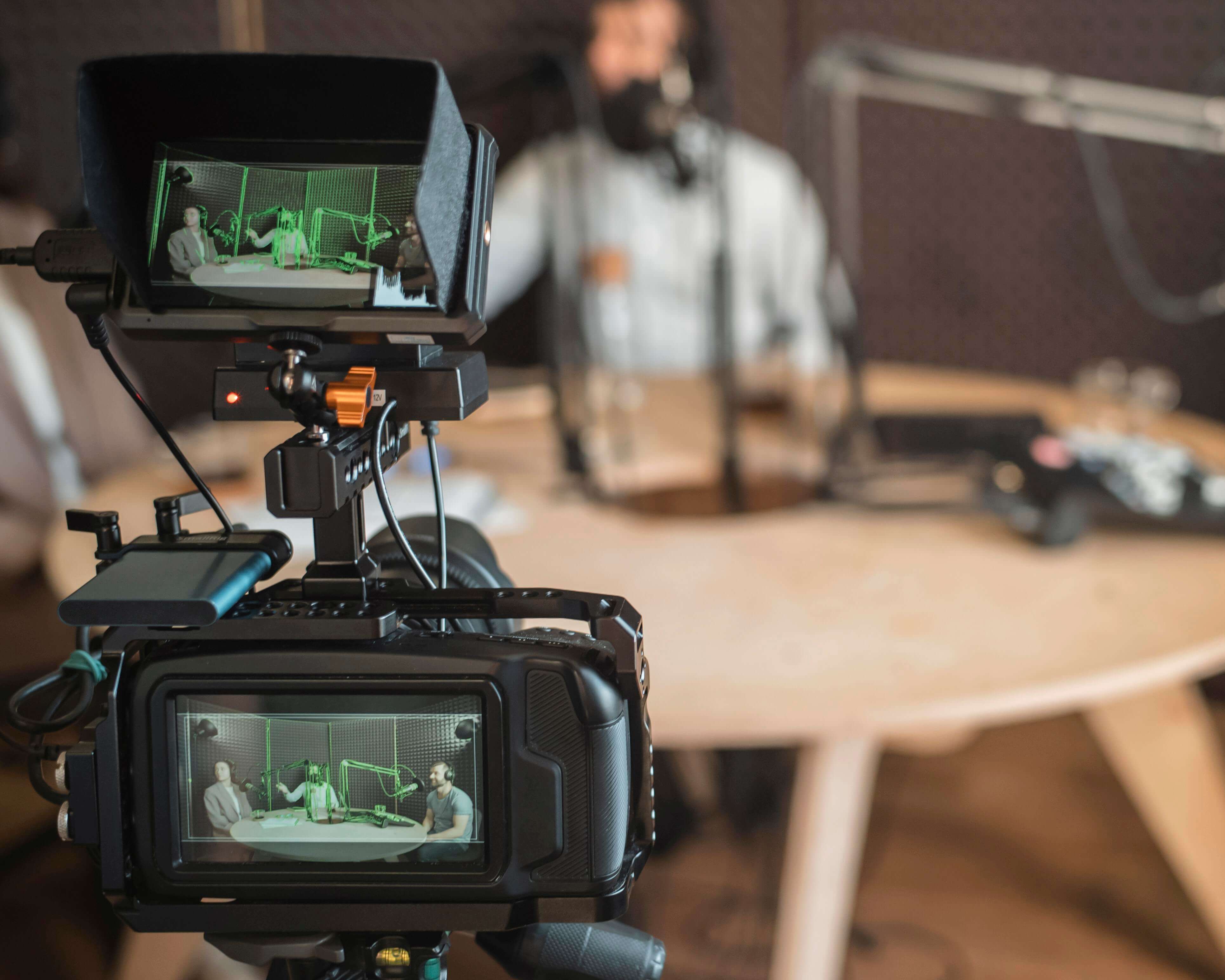
Creating a seamless voiceover recording involves more than just reading lines in a studio. Professional voice actors work meticulously to align their performances with the story’s visual and emotional cues.
- Pre-Production: Scripts are carefully analyzed to determine tone, pacing, and character intent.
- Recording: Actors perform in a controlled studio environment, often with multiple takes to capture subtle inflections.
- Integration with Visuals: Timing and lip-sync are crucial, especially for animation or localized dubbing.
- Post-Production: Sound engineers refine the recording, adjust levels, and integrate it with sound effects, music, and ambient audio, ensuring a cohesive cinematic experience.
Voiceovers are not limited to films. They appear in advertising, GPS systems, explainer videos, audiobooks, and radio, demonstrating versatility across media. A skilled voice actor transforms ordinary narration into an engaging, emotionally resonant performance.
The Challenge of “Show, Don’t Tell” vs Narration
Narration often faces criticism as a storytelling shortcut, conflicting with the filmmaking principle: show, don’t tell. While visual storytelling is undeniably powerful, narration can enhance rather than replace the narrative, especially when used thoughtfully.
Films like Fight Club and Memento demonstrate how narration can add complexity and intrigue. In Fight Club, Edward Norton’s character provides commentary that shapes audience perception, blurring lines between reality and his inner world. Memento employs narration to manipulate time and memory, creating suspense while guiding viewers through a nonlinear narrative.
In these examples, narration isn’t lazy storytelling it’s a strategic device that builds trust, misleads intentionally, or deepens thematic exploration. When balanced with visual storytelling, it complements rather than dominates the cinematic experience.
Examples of Outstanding Voice Performance
Throughout film history, voice performance has shaped storytelling in unforgettable ways:
- Film Noir Classics: The brooding voice of narrators in noir films adds a sense of fatalism and moral ambiguity, drawing viewers into psychologically rich narratives.
- Modern Cinema: Morgan Freeman in The Shawshank Redemption and David Attenborough in nature documentaries exemplify how tone, pacing, and emotional resonance elevate stories.
- Animation & Video Games: Characters in animated films or immersive games rely entirely on vocal performance to convey personality, emotion, and narrative intent.
These examples highlight how narration can maintain immersion, manipulate suspense, and enhance emotional impact, proving the enduring importance of the Movie Voice across genres.
How to Find the Right Voice Actor
Finding the perfect voice actor is key to achieving professional narration. Consider these strategies:
- Freelancing Platforms vs Agencies: Freelance websites like Voices.com or Fiverr provide access to diverse talent at various rates, while agencies offer curated professionals with proven experience.
- Evaluating Talent: Review portfolios, listen to demos, and assess tone, pacing, and emotional range. Ensure the actor can adapt to your project’s style.
- Project Management: Establish clear expectations for script revisions, delivery timelines, and technical requirements. Communicate tone, emphasis, and pacing to ensure a smooth collaboration.
- Voiceover Tips: Encourage actors to perform multiple takes for flexibility in post-production. Maintain open communication to refine performances while respecting creative expertise.
With the right professional narration, even complex stories or technical content can resonate, creating a lasting impression on audiences.

Elevating Storytelling with Movie Voice
From classic noir films to modern video games, Movie Voice and professional narration remain indispensable storytelling tools. They create emotional depth, guide audiences, and enhance cinematic sound design, turning ordinary scenes into immersive experiences.
A skilled voice actor does more than read lines they breathe life into narratives, conveying subtleties, tension, and emotion that visuals alone cannot achieve. Whether you are producing a feature film, commercial, or interactive media project, investing in professional narration ensures that your story resonates and lingers in the audience’s memory.
For filmmakers and media creators looking to elevate their projects, exploring or hiring voice talent through Linguavoice studio offers access to top-tier professionals capable of delivering performances that captivate, inform, and inspire.
Check our work at Linguavoice ( https://lincat.co/WaeWE )
References
- Wistia – How to Record Professional Voiceovers for Video
https://wistia.com/learn/production/recording-voiceovers - Nielsen Norman Group – Audio & User Experience Research
https://www.nngroup.com/articles/audio-ux/ - HubSpot – Video Marketing Statistics and Trends
https://blog.hubspot.com/marketing/video-marketing-statistics - Adobe / CMO.com – Storytelling & Brand Voice in Marketing
https://business.adobe.com/blog/the-latest/storytelling-in-marketing